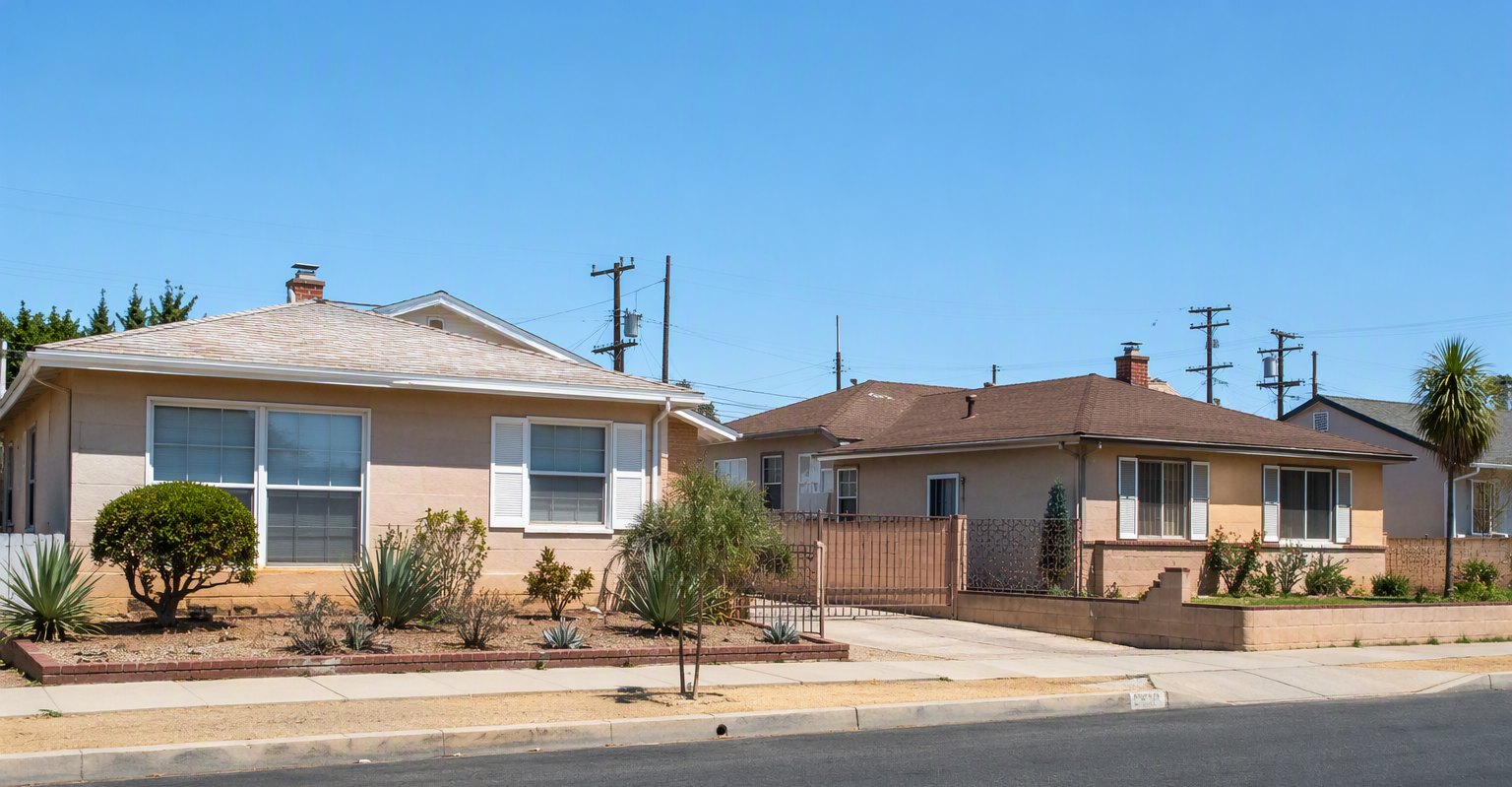
Air conditioners are sized in tons — not weight, but cooling capacity: one ton moves 12,000 BTUs of heat per hour. A typical Inland Empire home lands somewhere between two and five tons, and the difference between the right number and the wrong one is the difference between a house that’s effortlessly comfortable and one that never quite gets there.
Where the size actually comes from
The real answer is a load calculation — the industry standard is called Manual J — and it adds up everything that puts heat into your specific house: square footage, ceiling heights, window area and which way the glass faces, insulation levels, air leakage, duct location, even the people and appliances inside. A west-facing wall of glass in Riverside carries a different afternoon load than the same wall facing north. Two houses with identical square footage can land a full ton apart.
Why the old sticker lies
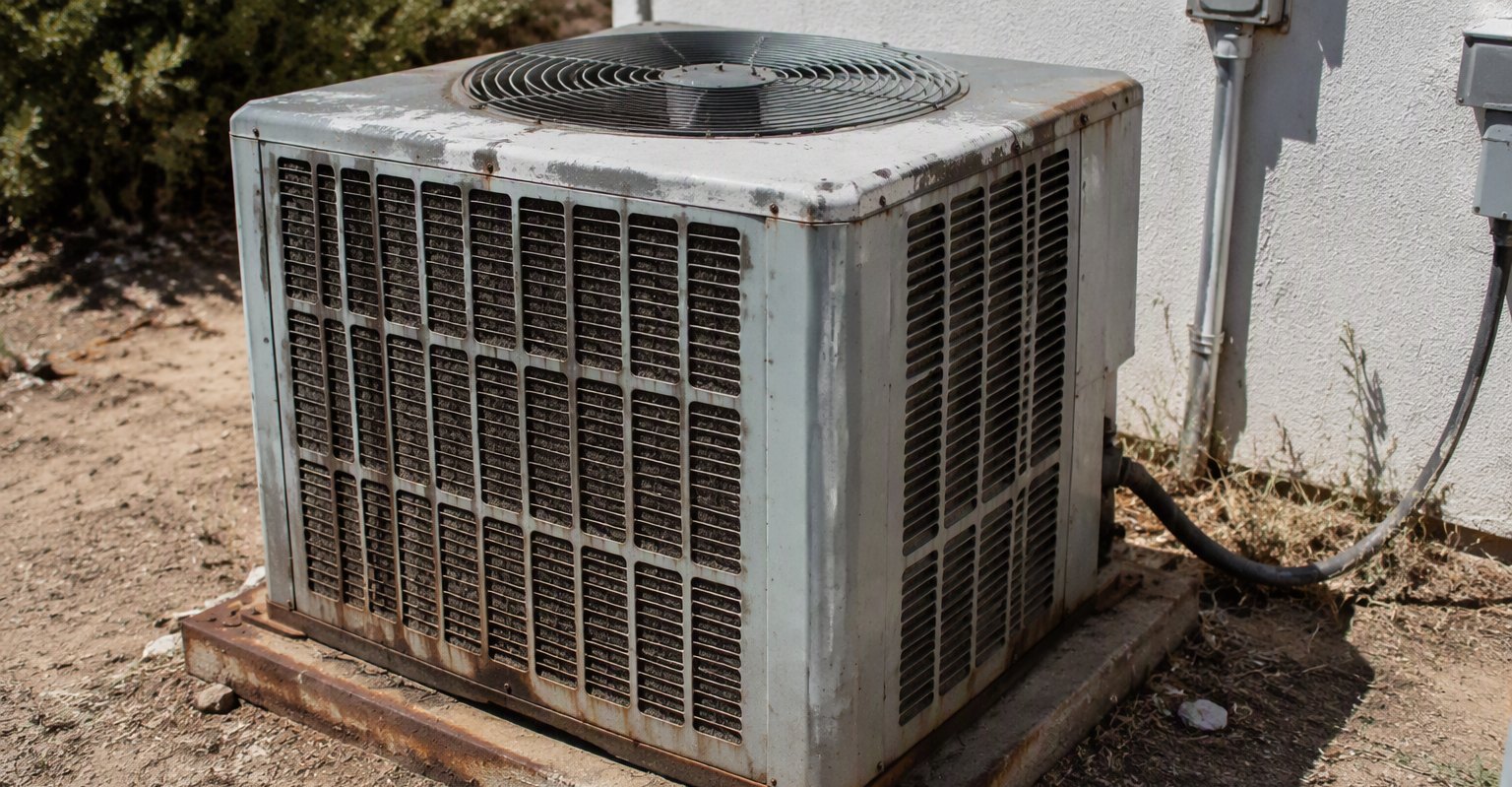
The lazy method is reading the old unit’s nameplate and ordering the same. It fails two ways. First, the house changed: dual-pane windows went in, attic insulation was added, the patio got enclosed — the load today isn’t the load from the original install. Second, the original size was often wrong to begin with; builders and their subs historically rounded up “to be safe,” and safety rounding compounds across replacements. Plenty of valley homes are running a ton more system than the house can use.
Oversizing is a defect, not a bonus
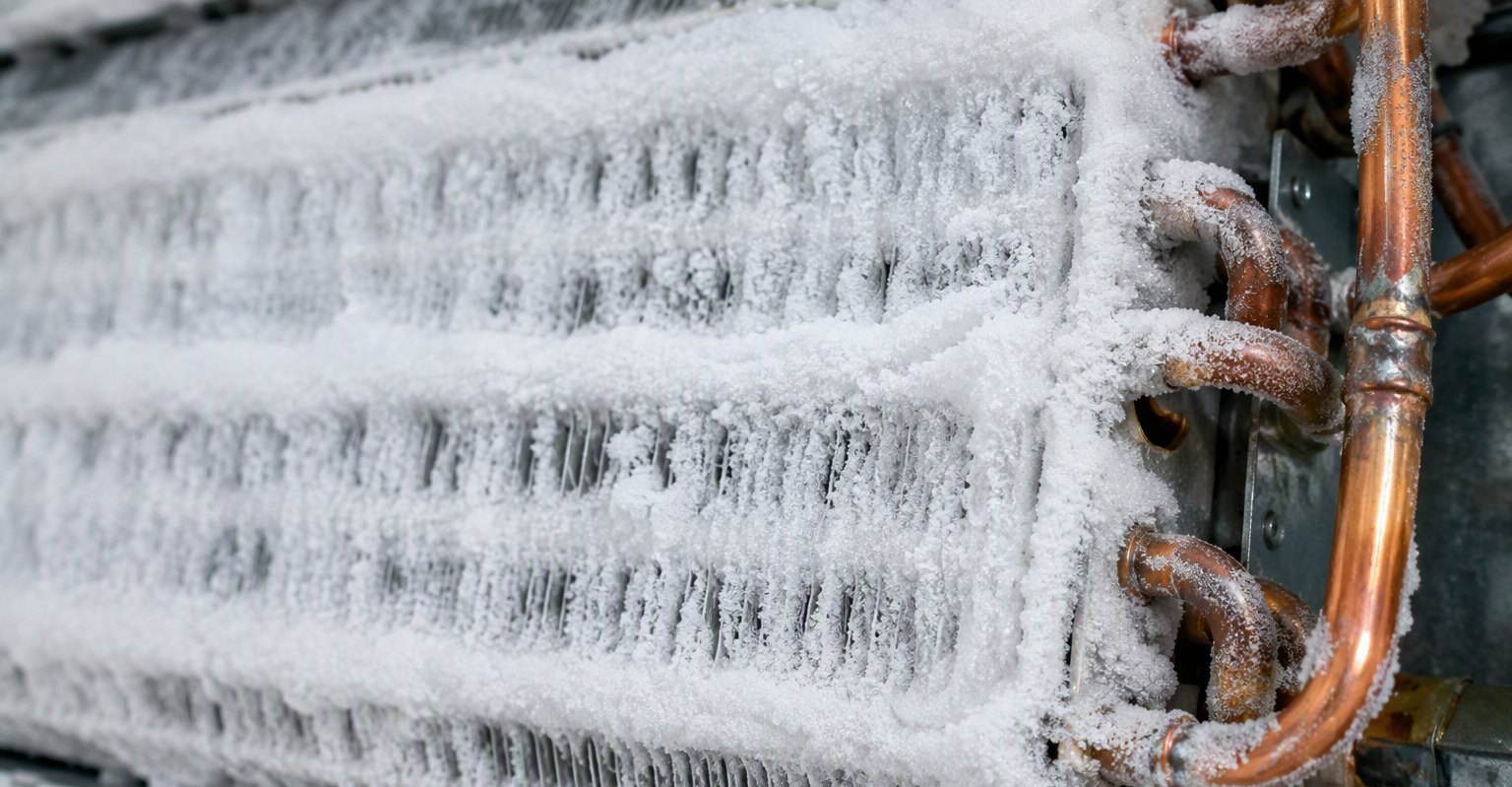
An oversized system satisfies the thermostat fast and shuts off — and that short cycle is where comfort dies. The system never runs long enough to pull humidity from the air, so the house reads cool but feels clammy. Rooms far from the thermostat never catch up. And the compressor — the expensive heart of the system — wears out on the start-stop abuse it was never designed for. The correctly sized system runs longer, steadier cycles: drier air, even rooms, quieter operation, longer equipment life.
Undersizing fails too — just louder
An undersized system in a 108-degree week runs constantly and never arrives. Every house has a design temperature the system is sized to hold; a valley system sized right will hold roughly 75 indoors on a 105 afternoon. Asking for more than that is asking for a bigger system — which is a legitimate choice when the math says so, not a guess to make at the sticker.
The ducts are half the sizing conversation
A perfectly sized system on undersized or leaking ducts performs like the wrong system. The same walkthrough that measures the house should read the ductwork: return area, supply runs, leakage. Sometimes the honest quote is a smaller condenser plus duct repairs — less equipment, more comfort, lower bills.
Replacement on the horizon? Call (888) 217-1674 — every Hombres install starts with the math, and the quote shows it.